Moving into a brand new home is exciting in a way that resales rarely match. Everything is fresh, nothing is worn, and you get to be the first people to make it yours. But moving into a new construction home in RI comes with its own set of complications — and the biggest one is that the timeline is almost never entirely in your control.
Closing dates on new construction shift. Final inspections get pushed. Certificate of occupancy issuance can be delayed by municipal scheduling, weather, or contractor availability. If you’ve already given notice on your current place, a construction delay can create a real gap. Planning for this is not pessimism — it’s just good practice.
Understand That Your Timeline Isn't Fully Fixed
The first thing to accept when moving into a new construction home is that your closing date is an estimate until it isn’t. Even in the final weeks, things can shift by days or occasionally weeks. This doesn’t mean it will happen to you, but it means you should have a plan if it does.
Before you give notice to your current landlord or commit to a firm moving date with a crew, have a conversation with your builder about realistic completion confidence. Ask specifically about what punch list items remain and what the most common causes of last-minute delays have been on recent projects.
If your lease end date and your closing date are close together, try to negotiate a short overlap or a month-to-month extension on your current rental — even by two or three weeks. That buffer can prevent a scramble if anything shifts. Short-term storage through Economy Movers is also a practical option if you need to vacate before your new home is officially ready.
Schedule Your Final Walkthrough Before Booking Movers
Your final walkthrough — the pre-closing inspection of the new home — is your opportunity to document anything that still needs to be completed before you move in. Don’t book your moving date until after this walkthrough, or at minimum, until you have a high level of confidence that it will happen on schedule.
During the walkthrough, pay attention to things that could affect your move-in day:
- Are all appliances installed and operational?
- Are floors finished and cured? (Some flooring materials need time to fully cure before heavy furniture can be placed on them.)
- Is the HVAC system running? Moving in without working air conditioning or heat in an extreme weather period creates real problems.
- Are all outlets functional?
- Has interior cleaning been completed?
Any outstanding items should be documented in writing and addressed before closing. Your builder should provide a completion timeline for anything not yet finished.
Coordinate Your Move-In With the Builder
New construction communities often have rules about move-in procedures that buyers don’t learn about until they arrive. Some developments require move-in scheduling through a property manager. Others have restrictions on which days of the week trucks can access the property, where they can park, and how long they can occupy a loading zone.
Check with your builder or the development’s management team at least two weeks before your move date. Getting this information to your moving crew in advance helps them plan the logistics and avoids any on-site surprises that slow things down.
Protect Your New Home During the Move
Moving into a brand new home means every scratch, scuff, and mark is yours. There were no prior owners. The walls, floors, and door frames are pristine — and they’ll stay that way if the move is handled carefully.
A few things worth doing:
- Lay down floor protection — cardboard or moving blankets — along all high-traffic paths from the front door to the main rooms
- Use corner guards on doorframes that furniture will pass through
- Pad stair railings if they’ll be used during the move
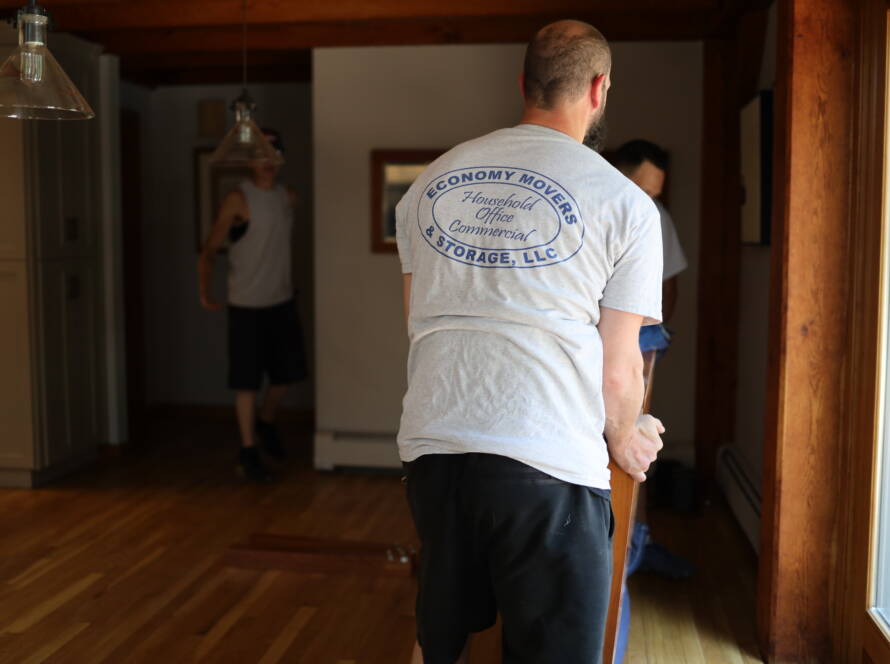
Professional full service movers in RI who have experience with new construction will bring protective materials and know how to work through tight spaces without leaving marks. Economy Movers has been handling these moves for decades and understands the importance of protecting a new home from the very first delivery.
Think About Furniture Placement Before the Truck Arrives
A new construction home is a blank canvas, and it’s tempting to leave the placement decisions until moving day. But decisions made under time pressure — with a crew waiting — are often decisions you’ll regret six months later.
Walk through the home at least once with measurements in hand before moving day. Know where the major furniture pieces are going. If you’re adding new furniture to go alongside pieces you’re bringing from your old home, have it scheduled for delivery before or just after the move so your new home starts coming together quickly.
If you’re also looking at updating your outdoor space at the new property, keep in mind that Rhode Island has plenty of great landscaping and hardscaping options to build around a new build. But that’s a project for after you’re settled in.
Get Your Utilities Set Up Before You Arrive
This sounds obvious, but it’s one of the most commonly overlooked items in new construction moves. Your builder handles many things, but utility account setup is typically on you.
Make sure the following are active before your moving date:
- Electric and gas service in your name
- Water (if not included in HOA or municipal automatic setup)
- Internet service installed and active
- Trash and recycling pickup scheduled
Internet installation in particular can take time to schedule. Book it as soon as you have a firm closing date.
Starting Fresh Deserves the Right Team
Moving into a new construction home is one of the biggest transitions most people make. The home relocation services at Economy Movers are built to make that transition as smooth as possible — from coordinating around builder timelines to protecting new floors and freshly painted walls.
If you’re planning a new construction move in Rhode Island, get a free estimate from the team and start the conversation early. The more lead time you have, the better.