There is a version of moving where you load everything you own onto a truck and deal with all of it on the other end. Most people have done this at least once. And most people, unpacking boxes weeks later and pulling out things they forgot they owned and definitely don’t need, swear they’ll never do it again.
The decision to declutter before moving in RI is one of the most practical things you can do for your wallet, your schedule, and your sanity. Moving costs are generally calculated by weight, volume, and time. The less you move, the less it costs. It’s that direct.
Why Decluttering Before a Move Is Different Than Regular Cleaning Out
Most people declutter eventually — seasonal purges, garage sales, a yearly trip to Goodwill. But decluttering before a move has a different urgency and a different logic. You’re not just deciding what you want to keep in your current life. You’re deciding what’s worth paying to physically transport to a new one.
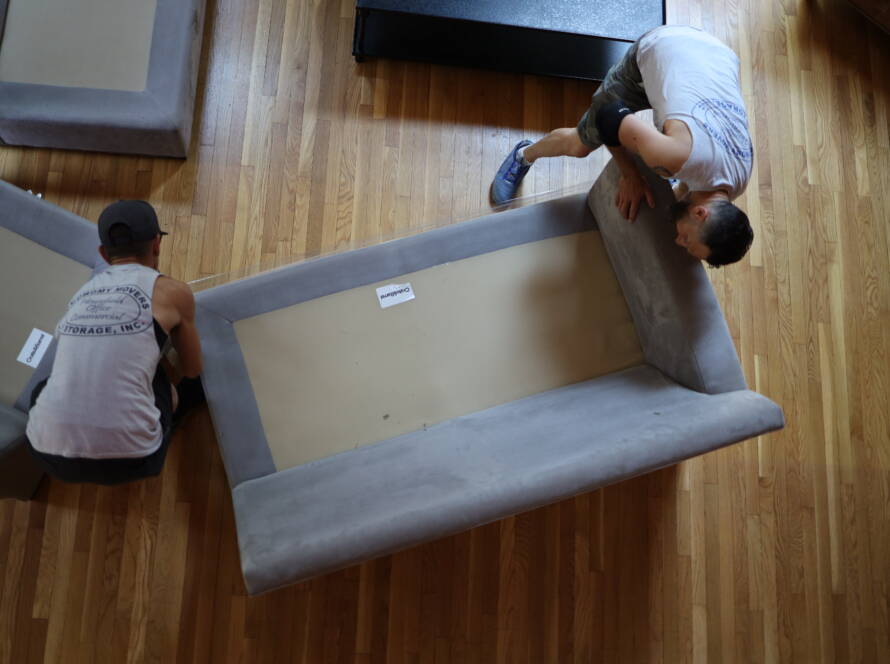
That shift in framing changes the calculation on a lot of items. That worn-out couch you’ve been meaning to replace? It doesn’t make sense to pay to move it. The boxes of old clothes in the basement that you haven’t opened in two years? Not worth the weight. The duplicate kitchen items from when two households merged? Time to let some of them go.
Moving creates a natural deadline that ordinary decluttering doesn’t have. Use it.
Room-by-Room: What to Actually Look At
The most effective way to declutter before a move is to go room by room with three categories in mind: keep, donate/sell, and toss. Here’s what tends to accumulate in each space:
Kitchen: Duplicate appliances, mismatched cookware, gadgets used once, expired pantry items, excess mugs and glasses, takeout containers you’ve been meaning to recycle.
Bedrooms: Clothes that don’t fit or haven’t been worn in a year, excess bedding, old electronics and chargers, books you’ve already read and won’t read again.
Living areas: Outdated furniture you’re not attached to, decor that doesn’t fit the vibe of your new home, accumulated magazines and papers, old media like DVDs or CDs.
Garage and basement: Seasonal items in poor condition, tools you’ve never used, sports equipment that hasn’t moved in years, old furniture being stored “just in case.”
Bathroom: Expired medications and products, excess towels and linens, items you’ve accumulated and simply never used.
The goal isn’t to move into a minimalist home. The goal is to make intentional decisions rather than defaulting to taking everything because it’s easier in the moment.
What to Do With What You're Not Taking
Once you’ve made the pile, you need a plan for it. A few options worth knowing:
Donate: Rhode Island has a number of donation options including Habitat for Humanity ReStores, local Salvation Army locations, and community exchange groups. Furniture in decent condition, kitchen items, and clothing are almost always accepted.
Sell: Facebook Marketplace and Craigslist are effective for larger items like furniture and appliances. An estate sale or garage sale can be worthwhile if you have enough volume and the time to organize it.
Toss or haul: For items that aren’t worth donating or selling, a junk removal service can clear bulk items quickly. Some moving companies offer this as an add-on.
Store: For things you’re not sure about — sentimental items, seasonal equipment, things you want to revisit once you’re settled — short-term storage is a reasonable option. Economy Movers offers storage solutions in RI that give you flexibility without forcing you to make permanent decisions under pressure.
The Relationship Between Decluttering and Moving Costs
Affordable movers in RI price jobs based on the time it takes and the volume being moved. A thorough decluttering session can meaningfully reduce both. Fewer items means fewer boxes, a faster pack, a lighter truck, and a quicker unload.
For larger homes especially, this isn’t a marginal difference. Families moving out of a three or four bedroom home who have done a serious declutter ahead of time often find the job takes significantly less time than they estimated — and the bill reflects that.
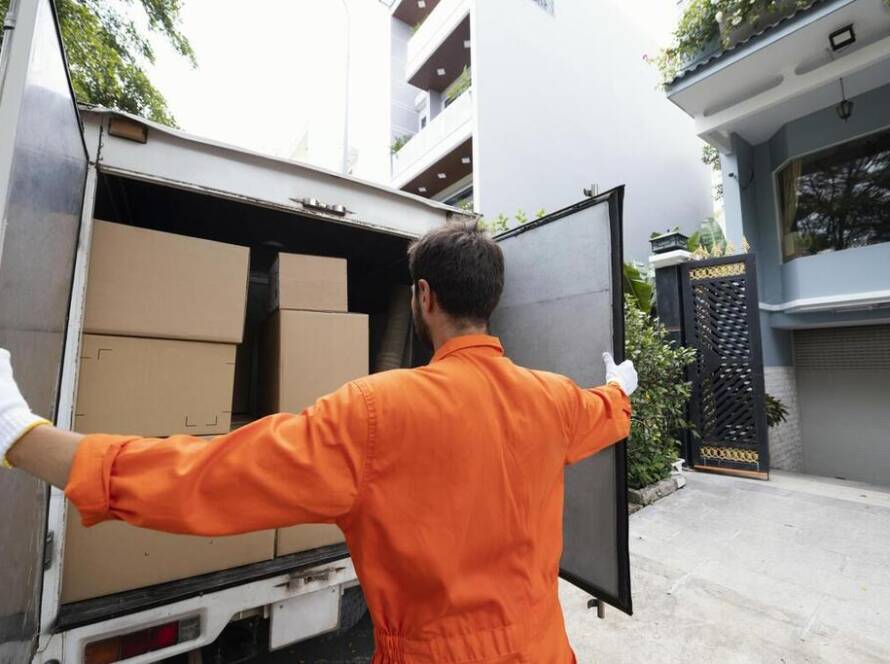
If you’re working with packing and moving services in RI, your crew will pack what’s there. The fewer decisions they have to make about where things go and the less volume they’re working with, the more efficiently the day runs.
When to Start Decluttering Before a Move
The biggest mistake people make is starting too late. If you begin the week before moving day, you’ll be making hurried decisions and hauling things to donation sites while simultaneously trying to pack. That’s a recipe for stress.
A better timeline:
- 6 to 8 weeks out: Begin with low-stakes areas — the garage, basement, guest room. These spaces tend to hold the most accumulated items and take the longest to sort.
- 4 weeks out: Work through bedrooms, living areas, and the kitchen. Make donation runs as you go rather than letting the pile build.
- 1 to 2 weeks out: Final pass through every room for the remaining decisions. At this point you should only be packing, not still sorting.
A Cleaner Move Starts Before the Truck Arrives
The homes that move most efficiently are the ones that have been edited down before the crew shows up. That’s not an accident — it’s the result of someone making deliberate decisions in the weeks leading up to moving day.
If you’re planning a Rhode Island move and want to make sure the whole process runs as smoothly as possible, reach out to Economy Movers for a free estimate. Knowing your timeline and what you’re working with helps the team plan the right resources for your move from the start.