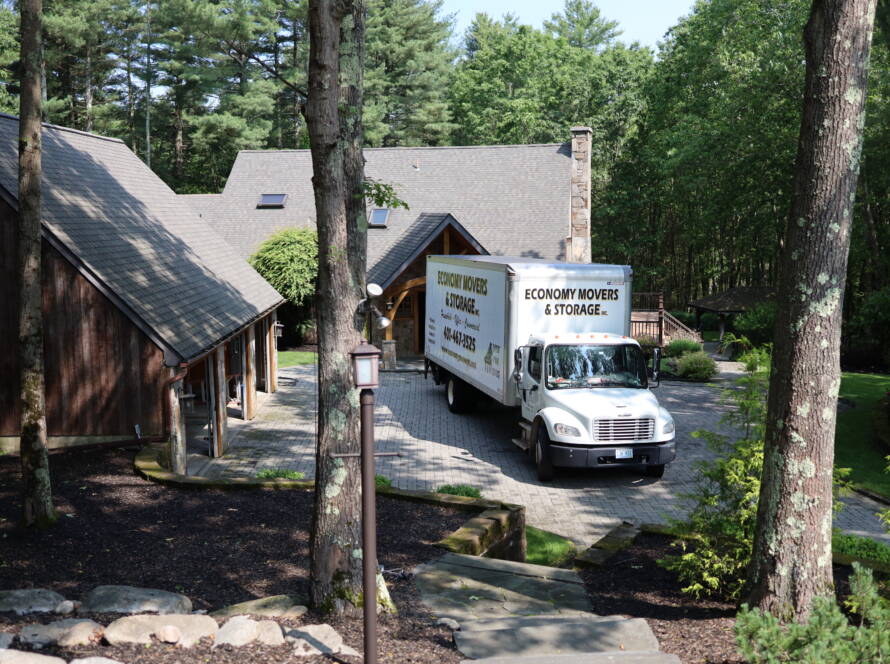
Not every move is a straight transition from one home to another. Many homeowners in Rhode Island find themselves in situations where timing does not line up perfectly, whether due to closing delays, renovations, or downsizing. In these cases, having access to reliable storage becomes an important part of the moving process rather than an afterthought.
Using storage solutions in RI allows you to create flexibility in your move. Instead of rushing decisions or overcrowding your new space, you can take a more organized approach that gives you time to settle in properly.
When Storage Becomes Part of the Moving Process
Storage is often needed in situations where there is a gap between moving out and moving in. This can happen for a variety of reasons, and without a plan in place, it can quickly create unnecessary stress.
Some of the most common scenarios include:
- Delays in closing on a new home
- Renovations that are not yet complete
- Downsizing into a smaller space
- Temporary relocations or staging situations
In each of these cases, having access to a team that provides moving and relocation support alongside storage options allows you to manage the transition more smoothly.
Short-Term vs Long-Term Storage Options
Not all storage needs are the same. Some moves only require a short-term solution, while others may need a longer-term arrangement depending on the situation.
Short-term storage is often used during transitions where the gap between locations is only a few days or weeks. Long-term storage, on the other hand, is more common when downsizing or when certain items are not immediately needed in the new space.
Understanding how long you plan to store your belongings helps determine the right approach and ensures that items remain protected for the duration of storage.
What to Store and What to Keep Accessible
One of the most important decisions when using storage is determining what should go into storage and what should remain easily accessible. Without a clear plan, it is easy to store items that you may actually need sooner than expected.
Items That Typically Go Into Storage
- Seasonal items that are not immediately needed
- Extra furniture that may not fit in the new space
- Boxes of non-essential belongings
- Items being held during renovations or staging
Items to Keep Accessible
- Daily essentials such as clothing and toiletries
- Important documents and personal records
- Frequently used kitchen or household items
- Work-related materials or equipment
Taking the time to separate these categories makes both storage and unpacking significantly easier.
How Storage Helps with Downsizing
Downsizing is one of the most common reasons people use storage during a move. Moving into a smaller home often means making decisions about what to keep, what to donate, and what to store.
Instead of rushing those decisions, storage gives you time to evaluate what you actually need in your new space. This allows you to settle in first and then gradually decide what to bring back into your home.
For many homeowners, this approach reduces stress and leads to better long-term organization.
Packing and Preparing Items for Storage
Packing items for storage requires a slightly different approach than packing for a standard move. Since items may remain stored for an extended period, protection and durability become even more important.
A few key considerations include:
- Using sturdy boxes that can handle stacking over time
- Wrapping items to prevent dust and moisture exposure
- Labeling everything clearly for easy retrieval later
- Avoiding overpacking boxes that may be difficult to move
Working with professional packing services can help ensure that items are prepared properly for both transport and storage.
Coordinating Storage with Your Moving Timeline
One of the biggest advantages of using storage is the flexibility it provides, but that flexibility still needs to be planned. Coordinating storage with your moving timeline ensures that everything flows smoothly from one stage to the next.
This includes scheduling when items will be moved into storage, how long they will remain there, and when they will be delivered to your final destination. Having a clear plan prevents confusion and ensures that your belongings are available when you need them.
Working with a single team that manages both moving and storage simplifies this process and reduces the risk of miscommunication.
Creating a More Flexible Moving Experience
Storage solutions play an important role in making moves more manageable, especially when timelines or space limitations create challenges. Instead of forcing everything into a single day or location, storage allows you to approach your move in stages.
By planning ahead and using storage strategically, you can reduce stress, stay organized, and make better decisions throughout the moving process. With the right approach, your move becomes more flexible, controlled, and aligned with your needs.