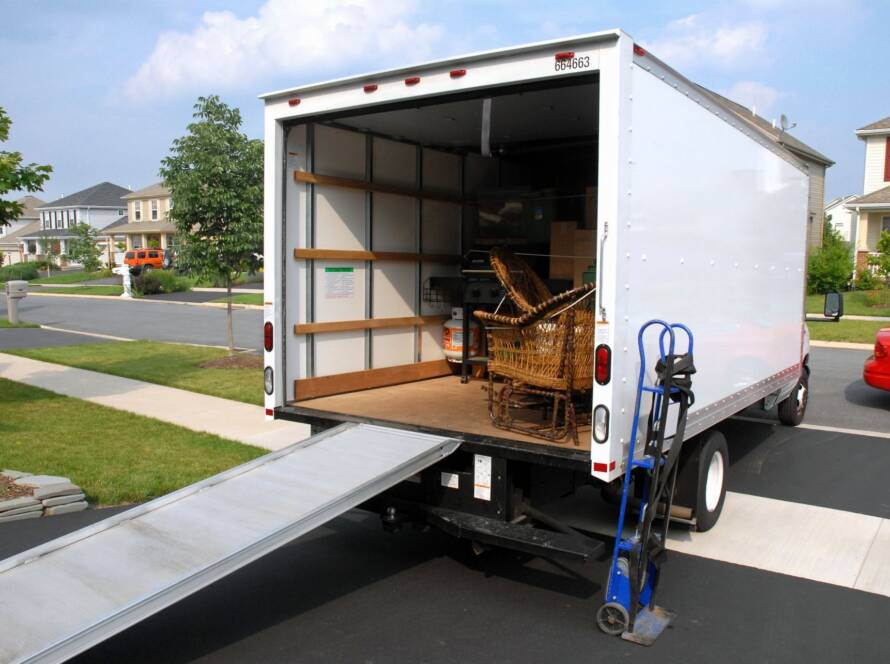
Moving into a smaller home is a different kind of transition than most people anticipate. The logistics are familiar — packing, loading, unloading — but the decision-making involved is more intensive, more personal, and more emotionally charged than a standard same-size relocation. You’re not just moving your belongings. You’re editing your life down to what fits in a smaller footprint.
Rhode Island homeowners who downsize successfully are the ones who treat this process as an intentional project rather than a reactive scramble. Here’s what that looks like in practice.
Why People Downsize in Rhode Island — and Why the Timing Matters
The reasons Rhode Island homeowners move to smaller homes vary widely. Empty nesters whose children have moved out are left with more square footage than they use or maintain. Retirees looking to reduce expenses, maintenance demands, and property taxes. Homeowners who have built equity and want to trade it for a lower-cost lifestyle. And increasingly, younger buyers in a competitive Rhode Island market choosing a smaller home in their preferred neighborhood over a larger one elsewhere.
The timing of a downsizing move matters because it shapes the pressure level on decision-making. A forced or rushed downsizing — driven by financial necessity, a health event, or a closing date that can’t move — compresses the decision window and leads to choices people regret. A planned and voluntary downsizing, with adequate lead time, allows for deliberate decisions about what comes along and what doesn’t.
If you have any control over your timeline, give yourself more lead time than you think you need. Six to eight weeks of active preparation is a reasonable minimum. Three to four months is more comfortable, particularly for a larger home.
The Space Planning Step That Most People Skip
Before you pack a single box, spend an afternoon in your new home — ideally before closing if the seller allows it, or immediately after — and make decisions about where your primary furniture will go. Measure the rooms. Sketch a basic floor plan. Know, before moving day, which pieces from your current home are actually going to fit in the new one.
This step reveals something important: some of the furniture you’re planning to bring won’t work in the new space. A sofa that fits perfectly in a large living room may overwhelm a smaller one. A king bed that anchors a master bedroom may leave no room to navigate in a downsized version. A dining table built for eight has no place in a home where the dining area fits four.
Discovering these incompatibilities before moving day — rather than after the truck arrives — means you can make thoughtful decisions about what to sell, donate, or store rather than making panicked choices on the spot.
Making Decisions About What Doesn't Come
The furniture and belongings that won’t fit in your new home need a plan before moving day. Your options:
Sell. Items in good condition with market value can go through estate sales, Facebook Marketplace, or Craigslist. Give yourself adequate time for this — a proper sale takes weeks, not days.
Give to family. For meaningful pieces, offering them to children, grandchildren, or other family members first keeps them within reach and avoids the finality of selling or donating.
Donate. Rhode Island has multiple donation organizations that accept furniture and household items in good condition. Habitat for Humanity ReStores, Salvation Army, and local community exchanges are all options.
Store temporarily. For items you’re not ready to part with but genuinely can’t fit, short-term storage gives you time to make clear-headed decisions rather than rushed ones. Economy Movers offers storage solutions in Rhode Island that work well as a bridge during the transition — you move into your smaller home with what fits, and then work through the stored items over the following weeks or months.
Protecting What Matters During a Downsizing Move
The physical move from a larger home to a smaller one is in some ways simpler than a standard relocation — less volume, faster load time — but it carries elevated emotional stakes because you’re moving things that survived a significant editing process. What’s on the truck is what you kept. It deserves to be handled accordingly.
Full service movers in RI handle not just the transportation but the packing and placement that protects your remaining belongings through the move. Economy Movers’ crew brings the materials, packs with care, loads efficiently, and places furniture where you direct at the new home. The result is a day that feels managed rather than overwhelming.
The Emotional Dimension of Downsizing
Moving into a smaller home almost always involves letting go of space that held significant memories. The room where children grew up. The backyard where family gathered. The kitchen that was the center of decades of everyday life. Acknowledging this dimension — rather than powering through it as a purely logistical exercise — leads to a better experience.
Give the process the emotional space it deserves. Not every decision about what to keep needs to be made under time pressure. A downsizing move that’s been given adequate preparation time is a positive transition; one that’s been rushed is often experienced as a loss even when the new home is perfectly suited to the current chapter.
Economy Movers has been providing home relocation services in Rhode Island since 1976 and understands the particular care a downsizing move requires. Request a free estimate and let the team help you plan a transition that honors what you’re leaving and sets you up well in what comes next.